

 By Herpes.NGO
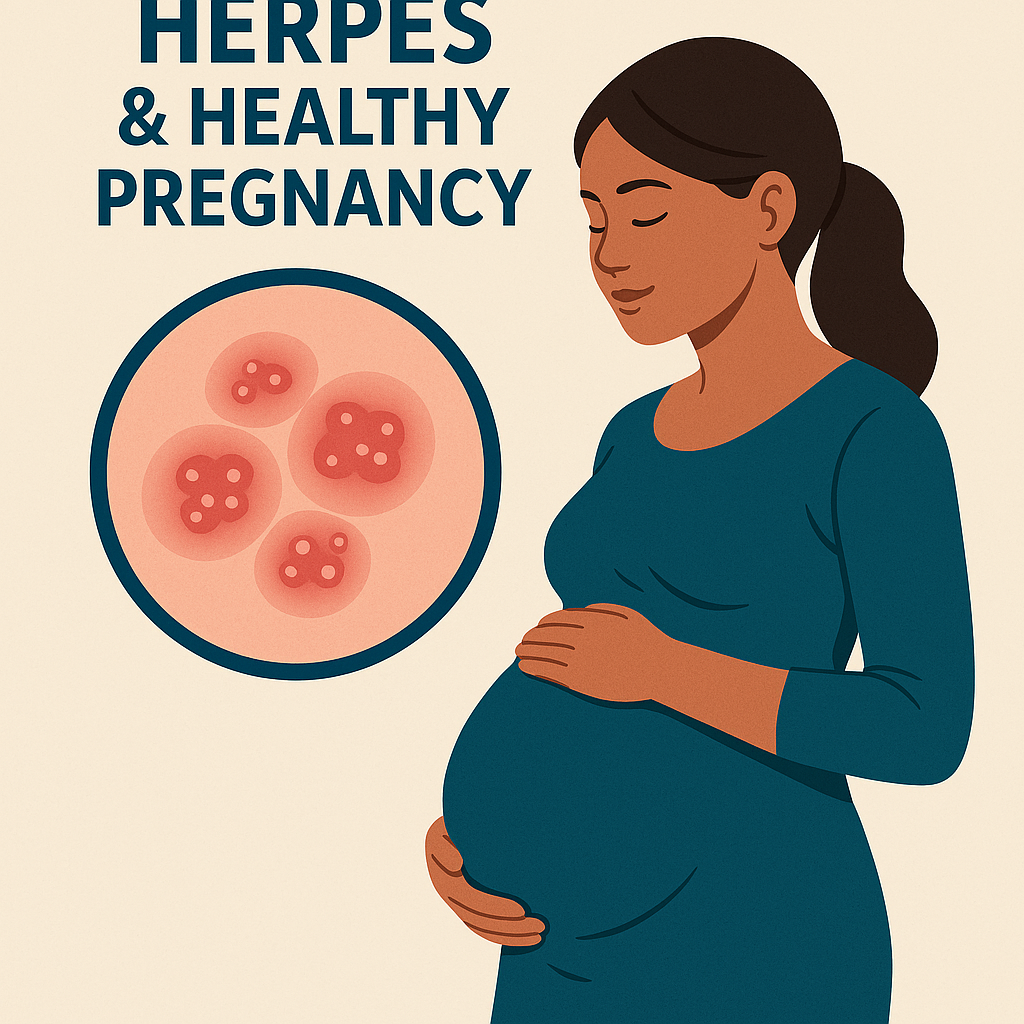
Finding out you’re pregnant or deciding to start a family is one of life’s most exciting moments. If you are living with herpes (HSV-1 or HSV-2), it’s completely normal for that excitement to be mixed with anxiety and questions. You are not alone in feeling this way.
The most important thing to know is this: Having herpes does not prevent you from having a healthy pregnancy and a healthy baby. With modern medical knowledge and simple management strategies, the risk of transmitting the virus to your baby is extremely low.
This guide is your first step. It’s designed to walk you through everything you need to think about and do before you conceive, empowering you to approach your pregnancy with confidence and joy, not fear.
Step 1: The Preconception Doctor’s Visit – Your Foundational Plan
Your very first and most important step is to schedule a preconception appointment with your gynecologist or healthcare provider. This visit is crucial for anyone planning a pregnancy, but especially for us in the herpes community.
How to prepare for the appointment:
- Gather Your History: Before you go, jot down notes about your herpes diagnosis.
- Type of Virus: Do you have HSV-1 or HSV-2? (If you know).
- Outbreak History: How long have you had the virus? How frequently do you get outbreaks? What are your typical prodrome (warning) symptoms?
- Triggers: Do you know what triggers your outbreaks (e.g., stress, fatigue, illness)?
- Write Down Your Questions: Don’t rely on your memory. Bring a list. This ensures all your concerns are addressed.
What to discuss specifically regarding herpes:
- “Based on my medical history, are there any specific concerns for my pregnancy?” (The answer will almost certainly be a reassuring “no”).
- “Should I start taking daily suppressive antiviral therapy?” Many doctors recommend starting a daily medication like Valacyclovir before you conceive. This helps suppress the virus from the very beginning, minimizing outbreaks and viral shedding throughout your pregnancy.
- “What is your protocol for managing herpes in pregnant patients?” This opens a dialogue about their experience and helps you feel confident in their care.
- “When should I call you if I have an outbreak during pregnancy?” Establish clear communication guidelines.
This appointment is not just for getting answers; it’s for building a trusted partnership with the person who will guide you through this journey.
Step 2: The Partner Conversation – Building a United Front
If you have a partner, open and honest communication is your bedrock. This conversation is about planning and support, not blame.
How to approach the talk:
- Choose a Calm, Private Moment: Don’t have this conversation when you’re rushed or stressed.
- Lead with Reassurance: Start by sharing the key fact: “I’ve been learning a lot, and people with herpes have healthy pregnancies all the time. I want us to be on the same page so we can approach this without worry.”
- Discuss Their Status: If your partner is not infected, discuss strategies to protect them during the conception process. This may involve:
- You being on daily suppressive therapy.
- Using condoms between outbreaks.
- Avoiding sexual contact during any signs of an outbreak (tingling, itching) or when one is active.
- Get Tested Together: If your partner’s status is unknown, suggest getting tested together. Knowing both of your statuses helps you make informed decisions and eliminates uncertainty.
Remember, you are a team. Facing this together strengthens your relationship and shared goal of becoming parents.
Step 3: Optimizing Your Health – Your Body, Your Preparation
A healthy body has a stronger immune system, which is better at keeping the herpes virus in check. Preconception health is for everyone, but it’s doubly beneficial for you.
- Start Prenatal Vitamins Now: The most important ingredient is Folic Acid, which is crucial for preventing neural tube defects in the very early stages of pregnancy, often before you even know you’re pregnant.
- Manage Known Triggers: If stress is a major trigger for your outbreaks, now is the time to explore stress-reduction techniques like prenatal yoga, meditation, or gentle walking. Prioritize sleep and a balanced diet.
- Review Other Medications: Discuss all medications and supplements you currently take with your doctor to ensure they are safe to continue during preconception and pregnancy.
Step 4: Educate Yourself – Knowledge is Your Power
Arming yourself with facts is the best way to defeat anxiety. Understand the key strategies that will keep you and your baby safe throughout the entire process.
Key Facts to Know:
- The Greatest Risk: The highest risk of transmission to a newborn occurs if a mother acquires genital herpes for the first time (a primary outbreak) very late in pregnancy. Her body has not yet had time to develop antibodies to protect the baby. This is rare.
- The Power of Antibodies: If you have had herpes for over six months before becoming pregnant, your body has developed antibodies (IgG). These antibodies are passed through the placenta to your baby, providing them with crucial protection during delivery and afterward.
- The Standard Protocol: For women with a known history of herpes, the standard of care is to prescribe daily suppressive antiviral therapy (like Valacyclovir) starting at 36 weeks of pregnancy. This dramatically reduces viral shedding and the chance of having an outbreak at the time of delivery.
- Delivery Plans: Having herpes does not mean you automatically need a Cesarean section (C-section). A vaginal delivery is perfectly safe if you have no symptoms or prodrome at the time of labor. A C-section is typically only recommended if you have an active outbreak when you go into labor.
A Final Word of Reassurance
The very fact that you are reading this and planning ahead means you are already taking the best possible steps to protect your future child. Your awareness and proactive approach are your greatest assets.
You are not defined by your diagnosis. Herpes is a minor skin condition that requires a simple management plan during pregnancy. It does not overshadow the incredible experience of creating a family.
Take a deep breath. You have a plan. You have knowledge. You can do this. Your journey to parenthood is filled with hope, and we are here to support you every step of the way.
Disclaimer: This article is for informational purposes only and is not a substitute for professional medical advice. Always consult with your healthcare provider for personal health decisions.

Anxiety around pregnancy decisions can make even reliable information hard to absorb, so it helps to separate the big reassurance from the practical questions. The central point—that HSV does not rule out a healthy pregnancy or baby—can give people space for planning, including what to discuss with a prenatal clinician and which questions matter most for their individual situation. Clear, nonjudgmental guidance is valuable because it addresses both the medical concern and the emotional weight people may be carrying.
The reassurance here is important because anxiety can make preconception decisions feel isolating, especially when a person is living with HSV. Presenting healthy pregnancy as possible while acknowledging the questions people may have creates a more balanced starting point. Clear discussions with an appropriate healthcare professional can help people understand their individual circumstances and make plans without assuming that a diagnosis defines the outcome. That kind of clarity supports calmer, better-informed conversations.
The emphasis on mixed emotions is important: planning a pregnancy can bring excitement alongside very real uncertainty, especially when HSV is part of the conversation. Stating clearly that herpes does not by itself rule out a healthy pregnancy and baby can help counter unnecessary fear. It would also be useful for readers to treat confidence as something supported by individualized prenatal guidance and open discussions with qualified healthcare professionals.
The reassurance here matters because pregnancy planning can make uncertainty feel much louder than it is. Naming both the excitement of starting a family and the anxiety that HSV can bring gives readers a more realistic place to begin. The central message—that herpes does not rule out a healthy pregnancy or baby—helps shift the focus toward informed conversations and preparation rather than fear. Clear, compassionate guidance is especially valuable during preconception.
The reassurance that herpes does not rule out a healthy pregnancy is especially important, because uncertainty can easily overshadow what should be an empowering planning process. Clear preconception conversations with a qualified clinician can help people understand their individual situation, discuss symptom management, and know which questions to revisit during pregnancy. Reliable information makes room for confidence rather than fear, much like symmetry brings balance to a larger picture.
Binary text exercises work best when they distinguish the number system from the character encoding layered on top of it. Reading groups of eight digits, preserving leading zeros, and comparing them with an alphabet chart gives each result a clear basis. A concise reference for those steps is available at https://binarytranslator.dev/, where conversion in both directions can be considered alongside the underlying binary notation.